
If you’re visiting Japan, one of the famous castles you shouldn’t miss is Nagoya Castle in Aichi Prefecture. With its lavish decorations and rich history, this castle hides many “secrets” that cannot be fully captured in tourist guides. In this article, we’ll introduce the lesser-known charms of Nagoya Castle in an easy-to-understand way for international travelers.
Contents
- 1 ■ The Meaning of the Golden “Shachihoko”
- 2 ■ Who Built It? The Untold History
- 3 ■ The Main Keep Lost in World War II
- 4 ■ Are There Really Ninjas and Secret Passages?
- 5 ■ The Exorbitantly Lavish Interior of the Honmaru Palace
- 6 ■ Tips for Enjoying Nagoya Castle Even More
- 7 ■ Summary: Nagoya Castle is “History You Can Experience”
■ The Meaning of the Golden “Shachihoko”
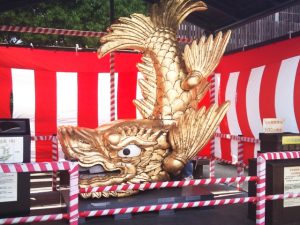
When you think of Nagoya Castle, the “Golden Shachihoko” shining on the roof of the main keep is famous. This Shachihoko is not merely a decoration. In Japan, the Shachihoko is considered a guardian deity that controls water, and it is imbued with the meaning of protecting the castle from fire.
In particular, the shachihoko at Nagoya Castle is covered in pure gold, and its opulence served as a symbol of power during that era. While it is a popular photo spot, understanding the meaning behind it allows you to appreciate it on a deeper level.
■ Who Built It? The Untold History
Nagoya Castle was built in the early Edo period by Tokugawa Ieyasu . He was the shogun who unified Japan, and this castle served as a key stronghold demonstrating his power.
In fact, daimyo (feudal lords) from across the country were mobilized for its construction, making it a massive project known as “Tenka-bushin” (National Construction). This was not merely a construction project; it also held political significance.
■ The Main Keep Lost in World War II
Although the current Nagoya Castle has been beautifully restored, the original main keep was was destroyed .
The current main tower was rebuilt in 1959, but in recent years, plans are also underway to restore it using traditional wooden construction. In other words, Nagoya Castle is also a “place where the past and the future intersect.”
■ Are There Really Ninjas and Secret Passages?
Many foreign visitors are curious about the existence of “ninjas” and “secret passages.” In reality, while there aren’t many officially confirmed secret passages in Nagoya Castle, ingenious defensive features can be seen throughout the grounds.
For example, the castle features strategic designs such as a complex gate layout to prevent enemy intrusion and winding paths with limited visibility. Walking while being mindful of these structures gives you the sensation of having slipped back in time.
■ The Exorbitantly Lavish Interior of the Honmaru Palace
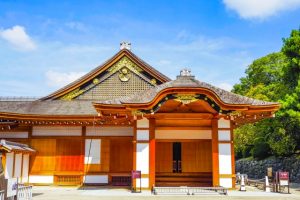
Another highlight of Nagoya Castle is the Honmaru Palace. This was a special space for receiving the shogun, and its walls and sliding doors (fusuma) are adorned with beautiful gold-leaf paintings.
Although it resembles an art museum, it was actually a political stage. Its opulence allows you to simultaneously sense the aesthetic sensibilities of the time and the symbol of power.
■ Tips for Enjoying Nagoya Castle Even More
・Join an English-language guided tour
・Learn a little about the historical background beforehand
・On rainy days, there are fewer people, so you can take your time exploring
In addition, the surrounding area offers plenty of Nagoya’s famous local cuisine, so we recommend combining your visit with a culinary adventure.
■ Summary: Nagoya Castle is “History You Can Experience”
Nagoya Castle is not just a tourist attraction; it is a special place packed with Japanese history, culture, and aesthetic sensibilities. By looking beyond its surface beauty to the stories and ingenuity behind it, you’ll have a much deeper travel experience.
The next time you visit Nagoya, be sure to explore with a sense of “uncovering secrets.” You’re sure to make discoveries that won’t be found in any guidebook.
