
Buddhist statues are not merely “religious idols”; they are works of art that embody Japan’s history and aesthetic sensibilities.
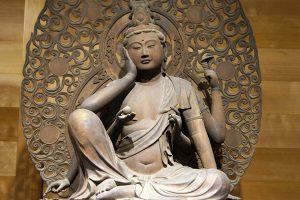
SONY DSC
1. The Four Classes (Categories) of Buddhist Statues
Buddhist statues are broadly divided into four groups.
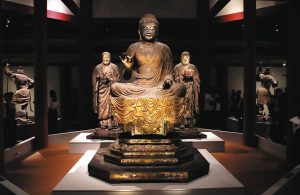
- Nyorai (The Buddha): The highest being who has attained enlightenment. They wear simple robes and no adornments.
- Bodhisattva (Bosatsu / Bodhisattva): A being who saves people while practicing to attain enlightenment. They wear beautiful ornaments.
- Myō-ō (Myoo / The Wisdom Kings): They have angry expressions to guide those who do not follow Buddhist teachings.
- Heavenly Beings (Ten / Heavenly Deings): Gods who protect the Buddhist teachings (originally gods from Indian mythology).
2. The “Distinctive Appearance” of Buddhist Statues
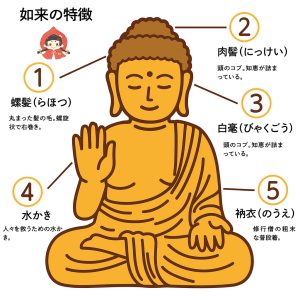
- Spiral Hair (Rahotsu): The Buddha’s magnificent curly hair.
- Hand Gestures (Mudras): Hand gestures that represent teachings or emotions (such as preaching, meditation, or offering reassurance).
- The Spot on the Forehead (White Hair: Byakugō): It is said that the light of wisdom radiates from this spot. Sometimes, a gemstone is embedded here.
3. The Appeal of Japanese Buddhist Statues
While Western sculpture pursues “perfect physical beauty” (such as the Venus de Milo), Japanese Buddhist statuesfind beauty in“spirituality” and“the patina of age” (the warmth of wood and peeling gold leaf) .
