
Japanese otaku cultureis a subculture thatrepresents Japan,built by people with deep passion and knowledge in specific fields such as anime, manga, video games, and idols. While it was once viewed negatively, it has now become so mainstream that approximately one in five people identify as “otaku,” and Akihabara is widely recognized around the world as its mecca.
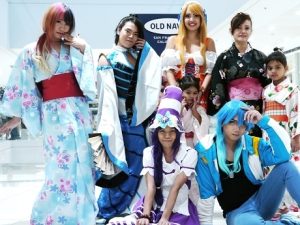
The Evolution and Current State of Otaku Culture
Origins: It emerged during the 1970s and 1980s from the anime and tokusatsu boom sparked by series such as *Space Battleship Yamato* and *Mobile Suit Gundam*. The term “otaku” was popularized by Akio Nakamori in 1983.
- Evolution:Initially viewed as an introverted hobby and a source of insecurity, the negative connotations were dispelled in the 1990s and beyond. Today, it is positively recognized as “supporting one’s favorite” and “Akihabara culture.”
- Scale: Approximately 19.9% of people aged 18 to 69 (about 17 million people) are considered to be otaku in some capacity, and the market is expanding.
- Fields:
The range of interests is extremely diverse, including anime, manga, idols, video games, figurines, railways, and history (swords and Buddhist statues).

Symbols and Characteristics of Otaku Culture
The Mecca: Akihabara: Having transformed from a district known for electronics into a mecca for anime, games, maid cafes, and more, it has become a hub for otaku culture.
- Global Impact:Overseas, “otaku” has become a common term and is highly regarded as part of Japanese pop culture.
- The “Oshi” Culture: “Oshikatsu”—the enthusiastic support of favorite idols or characters—has become a major consumer trend in modern Japan.

Japanese otaku culture goes beyond being merely a hobby for enthusiasts; as the foundation of the content industry, it is shaping a new culture in Japan.
