
In Japan, the “bow” is a traditional greeting custom used to convey respect, gratitude, and apology and originates from the act of lowering one’s head in a vulnerable position to demonstrate a lack of hostility. Depending on posture and the situation, different angles are used: a “light bow” (15 degrees, for a casual greeting), a “standard bow” (30 degrees, for a general greeting), and a “deep bow” (45 degrees or more, for deep gratitude or apology). Keeping your back straight and bending from the waist is the key to making it look graceful.
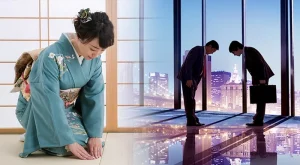
Basic Rules of Japanese Bowing
-
- Origin: Introduced from China before the Nara period and formalized in samurai society.
- Essence: By lowering the head (exposing one’s vital points to the other person), one demonstrates a lack of hostility and vulnerability, conveying respect and trust.
- Types and Angles:
- A light nod( 15 degrees): Used when passing someone in a hallway or for a casual greeting to a colleague.
- Polite Bow( 30 degrees): For greeting customers or during meetings—used in everyday formal situations.
- Deep bow (45 degrees or more) : Expresses the deepest respect or apology, such as when thanking someone or offering an apology.
- “Rei-san-soku” (Three-Breath Bow): A breathing technique where you bend forward while inhaling, hold the position while exhaling, and return to an upright position while inhaling. This improves posture and ensures the timing is correct.
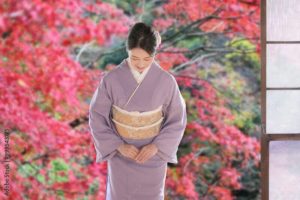
“Bowing” in Japan as Seen from Abroad
While handshakes are common overseas, Japanese people bow in all kinds of everyday situations—such as when greeting others, passing by, speaking on the phone, or opening a door. Although this behavior may seem strange to foreigners, it reflects the Japanese spirit of valuing harmony with others.
