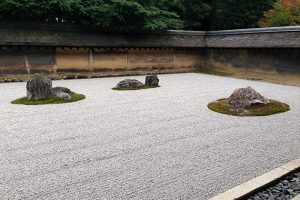
Zen is a school of Buddhism that seeks the truth of the mind through meditation (zazen). It was introduced to Japan from China during the Kamakura period and has become deeply rooted as the spiritual foundation of Japan’s unique traditional culture and aesthetic sensibilities (such as wabi-sabi), including bushido, the tea ceremony, ikebana, and Japanese gardens.

The History and Cultural Influence of Zen in Japan
- Rinzai School: Introduced by Eisai. It uses koans (dialogues) to seek enlightenment and gained support from the warrior class during the Kamakura and Muromachi periods.
- Sōtō School: Introduced by Dōgen. It emphasizes “shikan tazza” (simply sitting in meditation) and became widely popular among the general populace.
2. Bushido and the Spirit of Zen
The samurai of that era lived in an environment where death was always a constant companion. The Zen teaching of “letting go of attachments and focusing on the present moment (mushin)” permeated the samurai class as a means of cultivating an unshakable spirit, forming the foundation of Bushido.
3. Influence on Japanese Culture and Aesthetics
Zen’s philosophy of simplicity and reverence for nature lives on in Japan’s unique arts and lifestyle.
- Tea Ceremony: As exemplified by figures like Sen no Rikyū, spiritual beauty is found in simple, uncluttered spaces.
- Ink Wash Painting and Calligraphy: Through simple black-and-white expressions, it depicts the essence of all things and the beauty of negative space.
- Gardens (Karesansui): Without using water, these gardens use stones and sand to express natural landscapes and the vastness of the universe.